Archives: News Articles
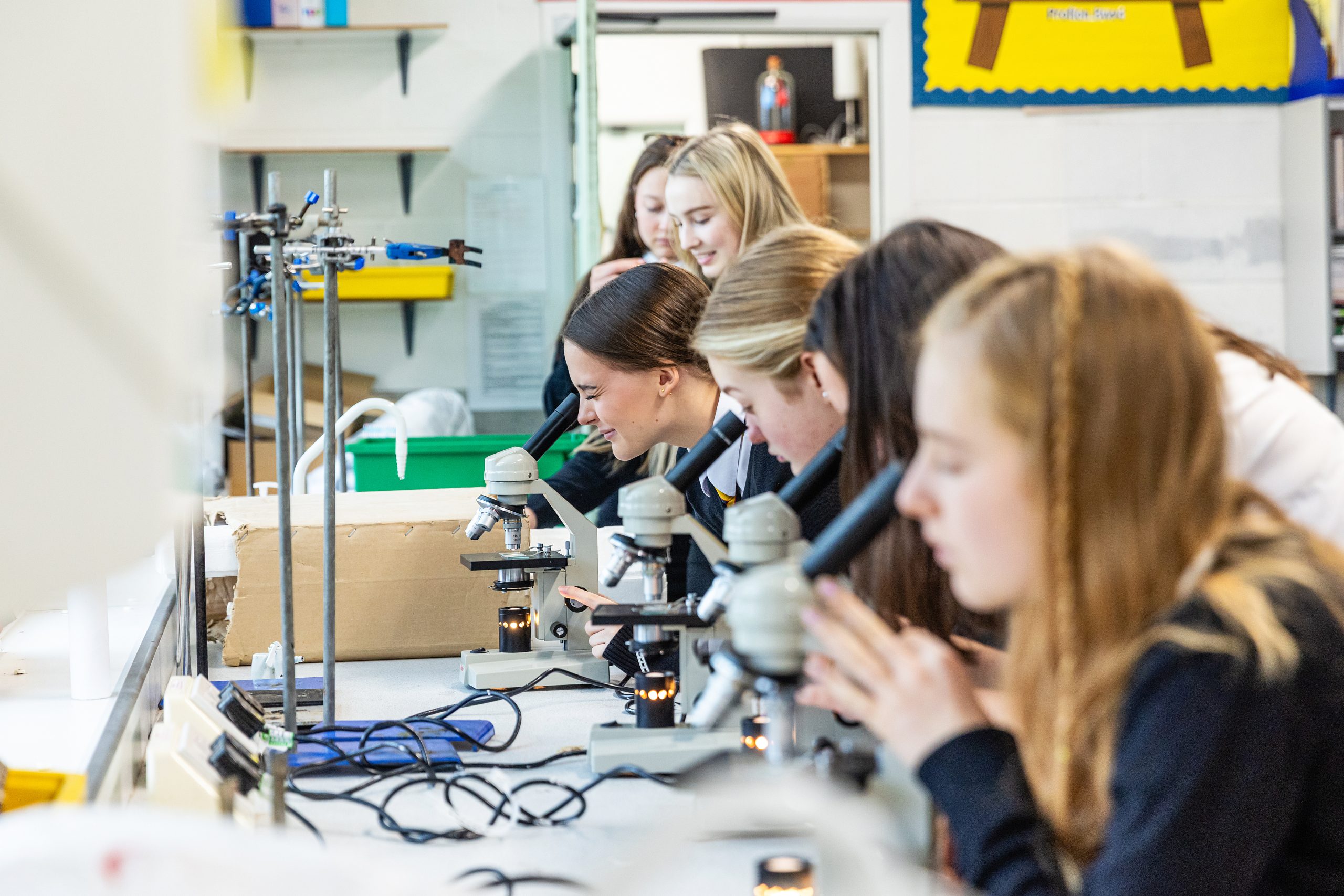
A new report from Estyn highlights important strengths in science education across Wales, while identifying inconsistencies in curriculum design, teaching and assessment that limit how effectively pupils develop secure scientific understanding and reasoning.
The report, Teaching and Learning Science: Teaching for understanding in science classrooms, evaluates the quality of teaching and learning in science in primary, secondary and all-age schools across Wales. It considers how effectively schools are developing pupils’ scientific knowledge, understanding and enquiry skills through the Science and Technology Area of Learning and Experience within the Curriculum for Wales.
Inspectors found examples of strong practice in both primary and secondary schools, where leaders have developed coherent curriculum plans, strengthened subject expertise and supported pupils to deepen their understanding of scientific concepts over time. In the strongest examples, pupils benefit from engaging practical experiences, meaningful real-world contexts and effective teaching that helps them develop secure understanding and apply their learning confidently.
However, the report concludes that the quality of science provision remains too variable. Weaknesses in curriculum planning, teaching and assessment often limit pupils’ progress, particularly in developing conceptual understanding and scientific reasoning. Arrangements to support progression between primary and secondary schools are frequently underdeveloped, leading to repetition, gaps in learning and uneven levels of challenge.
The report also highlights challenges facing the sector, including difficulties recruiting and retaining specialist science teachers, particularly in Welsh-medium settings, and the need for stronger collaboration between schools to support progression in learning.
His Majesty’s Chief Inspector Owen Evans said:
“Science plays a vital role in helping young people understand the world around them and preparing them for future study and employment. While we saw encouraging examples of effective practice in schools across Wales, too many pupils experience an inconsistent science curriculum that does not build their knowledge and understanding systematically enough over time.
“There is scope for schools to strengthen curriculum planning, teaching and assessment in science and work more closely together to support progression from primary to secondary education. At the same time, continued investment in professional learning and specialist expertise will be essential to ensure that all learners have access to high-quality science education.”
The report recommends that schools strengthen teachers’ pedagogical subject knowledge, improve curriculum planning to support progression in scientific understanding and reasoning, and enhance leadership processes so that leaders evaluate the impact of provision on pupils’ learning more effectively.
Estyn also calls on local authorities, school improvement services and Welsh Government to provide stronger science-specific professional learning, improve collaboration between schools, support Welsh-medium science provision and address ongoing shortages of specialist science teachers.
The full report is available here.