Uncategorised Archives - Estyn

Category: Uncategorised


Category: Uncategorised


A group of children outdoors stacking large red and blue foam blocks together, with a wooden fence and a yellow decorative shape in the background.

A blog by Jon Wright HMI

At Estyn, we know that meaningful improvement in education happens through reflection, collaboration and ongoing professional dialogue. That’s why, since September 2024, we’ve introduced interim visits for primary, secondary and all-age schools, as well as pupil referral units (PRUs) across Wales.

Interim visits are focused visits that take place between core inspections. While they are not inspections and do not result in recommendations, they provide an important opportunity for us to engage with schools more regularly and to better understand the experiences of leaders, practitioners and learners.

Most importantly, interim visits are designed to support schools in their own self-evaluation and improvement journey.

During a visit, HMIs spend time talking with school leaders, staff and learners about specific themes or areas of development; usually the recommendations from the last core inspection. These conversations help schools reflect on their practice, celebrate what is working well and consider next steps for improvement. The process is collaborative, professional and improvement-focused.

Over the past year, we have heard positive feedback from schools about the value of these visits. Leaders have spoken about the benefits of having dedicated time for professional discussion and reflection, as well as the opportunity to explore their improvement priorities in a supportive environment.

To help raise awareness and improve understanding of interim visits, we are launching a new campaign featuring honest reflections from providers. Through a series of short videos, headteachers and teachers share their experiences of the interim visit process and discuss how the visits supported professional learning and school improvement within their settings.

We hope these stories will help provide a clearer picture of what interim visits involve and reinforce the supportive and collaborative nature of the process.

You can explore the videos and find further information and resources on our interim visits webpage

Category: Uncategorised


QAA and Estyn logos

Estyn and the Quality Assurance Agency (QAA), with funding from Medr, have launched a new online resource to support self-evaluation and continuous improvement across Wales’ tertiary education system.

The microsite, Self-evaluation and continuous improvement in the tertiary system in Wales, brings together research, sector insights and practical tools to help providers strengthen their approaches to quality improvement and learner outcomes.

What is the microsite?

The microsite is a new online resource designed to support providers in developing effective self-evaluation and continuous improvement practices.

It includes a shared set of 12 principles for effective self-evaluation, reflective questions to support professional discussion, sector-specific insights and recommendations, and information about the role of Estyn, QAA and Medr in supporting quality across the tertiary system.

The resource has been developed through a joint Estyn-QAA project funded by Medr and informed by inspection evidence, quality reviews, stakeholder engagement and international research.

Who is it for?

The resource is designed for organisations across Wales’ tertiary education system, including:

  • Further education colleges
  • Higher education institutions
  • Apprenticeship providers
  • Adult learning in the community partnerships
  • School sixth forms
  • Local government education services

It will also be of interest to leaders, governors, quality managers, practitioners and policymakers involved in quality assurance, self-evaluation and improvement planning.

Why does this project matter?

Effective self-evaluation is a key driver of improvement. Strong self-evaluation helps providers understand the impact of their work, identify priorities for development and improve outcomes and experiences for learners.

While providers across Wales already have established approaches to quality assurance and improvement, this project identified opportunities to strengthen practice further. In particular, the project highlights the importance of focusing on impact, using evidence effectively, engaging learners meaningfully and ensuring improvement planning leads to measurable change.

The microsite provides a shared framework that can support reflection and improvement across the diverse range of tertiary education providers in Wales, while recognising that there is no single approach that will work for every organisation.

What will users find on the site?

Visitors to the microsite will find:

  • 12 principles of effective self-evaluation
  • Reflective questions to support professional dialogue and improvement planning
  • Analysis of current self-evaluation practices across tertiary education sectors in Wales
  • Examples of strengths and areas for improvement identified through inspection and review activity
  • Cross-sector and sector-specific recommendations
  • Information about the roles of Estyn, QAA and Medr in supporting quality and continuous improvement
  • A literature review and further reading on effective self-evaluation

The resource will continue to grow over time, with new case studies, examples of effective practice and additional materials added to support providers across the tertiary system.

Explore the resource

Visit the Self-evaluation and continuous improvement in the tertiary system in Wales microsite to access the full resource and supporting materials.

Category: Uncategorised


A close-up of a person using a laptop while pointing at a digital interface with selectable options displayed over the screen.

A blog by Jassa Scott, Strategic Director

Before every inspection we gather feedback from learners, staff, parents or carers and other key groups about their experience of a provider.  You can see the questions we ask on our website – Inspection questionnaires – Estyn.

These questionnaires cover a range of matters which help us understand what key people value about a provider and what they think might need to improve.  Before an inspection, inspectors look at the answers given and use these to help think about questions they might ask during an inspection. The feedback in questionnaires is used alongside discussions with learners, staff, governors and parents/carers as part of our evidence base for an inspection. We also look at a range of other evidence.

We changed the questions we used when we updated our inspection arrangements in 2024, so 2024-2025 was the first year we used the new questions. In January, we published the national picture of outcomes from all the learner and parent/carer responses across all our inspections that year, where we had enough inspections to do so.  You can find the national outcomes here Pre-inspection Learner and Parent Questionnaire National Responses – Adroddiad Blynyddol | Annual Report. We use these national responses as a benchmark for individual providers questionnaire responses, though every provider’s context is different.  Providers may find it helpful to consider these national responses if they are conducting similar questionnaires with their learners.

During the last year, we also started collecting demographic information about the learners who were completing our questionnaires. This information is separate from the main questions and isn’t shared with the inspection team for that individual inspection. We will use it to consider any overall patterns in the responses for different groups of learners across Wales to help us better understand their learning experiences. We’ll publish this data alongside our overall national responses in future years once we are happy with the quality of the data.


Category: Uncategorised


Phonics is a key building block of learning to read. It works best when children are ready and when it is connected to meaning. Is phonics taught systematically and at the right stage for pupils?

Notice:

  • clear teaching of sound-letter relationships
  • pupils blending confidently
  • adults checking for accuracy and understanding when pupils are reading

Ask yourself:

‘Does phonics teaching help pupils to develop word reading skills?’

  • Across Wales, the biggest challenge for schools is often pupils’ understanding of what they read. How do adults support pupils to understand what they read?

Look for teaching that supports:

  • vocabulary development
  • pupils’ abilities to infer (‘reading between and beyond the lines’), evaluate and appreciate what they read
  • linking texts to pupils’ knowledge and experience
  • discussion of meaning, not just decoding words

Ask yourself:

‘Can this pupil explain, in their own words, what they have read?’

  • The strongest schools in Wales treat reading as central to all learning. Is reading woven through pupils’ learning experiences, rather than being confined to one teaching session?

Look for:

  • pupils accessing high-quality texts across the curriculum
  • teachers modelling how to read diagrams, charts, images and other sources
  • reading supporting pupils’ learning in science and technology, humanities and the expressive arts, for example
  • pupils applying reading strategies and skills independently to support their work

Ask yourself:

‘Are pupils reading to learn and learning to read across the curriculum?’

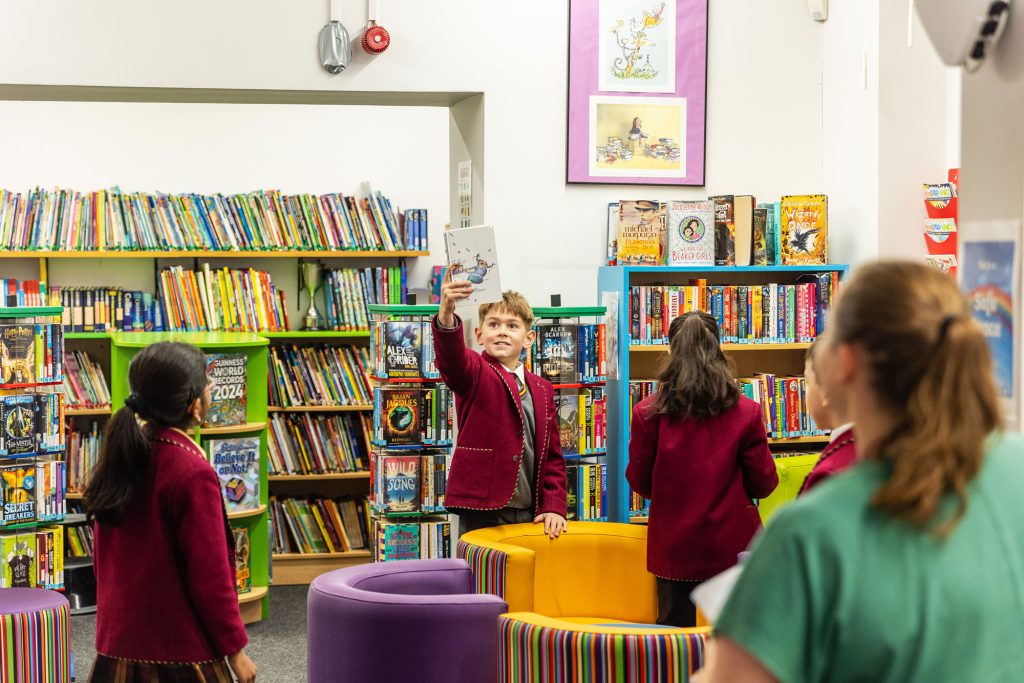
School children in a library

Category: Uncategorised


Reflective prompts:

You might also find it useful to consider the following reflective prompts when looking at provision for reading or when you observe reading during your primary school experiences:


  • Strong reading begins with strong oracy. Which types of language experiences do pupils have?

Look and listen for:

  • rich classroom talk
  • storytelling and discussion
  • adults modelling vocabulary and introducing pupils to new vocabulary and language structures
  • pupils explaining and justifying their ideas and views

Ask yourself:

‘Are pupils developing the spoken language they need in order to understand what they will later read?’

  • In the early years of a pupil’s primary education, pre-reading skills matter. How do adults ensure that pupils have secure foundations for reading, before the formal teaching of reading begins?

Look for:

  • listening games and activities
  • rhyme, rhythm and sound play
  • shared enjoyment of stories and poems
  • how pupils develop their attention, listening, turn-taking and talk
  • how pupils develop their physical skills

Ask yourself:

‘How do adults build the groundwork for pupils’ reading development?’

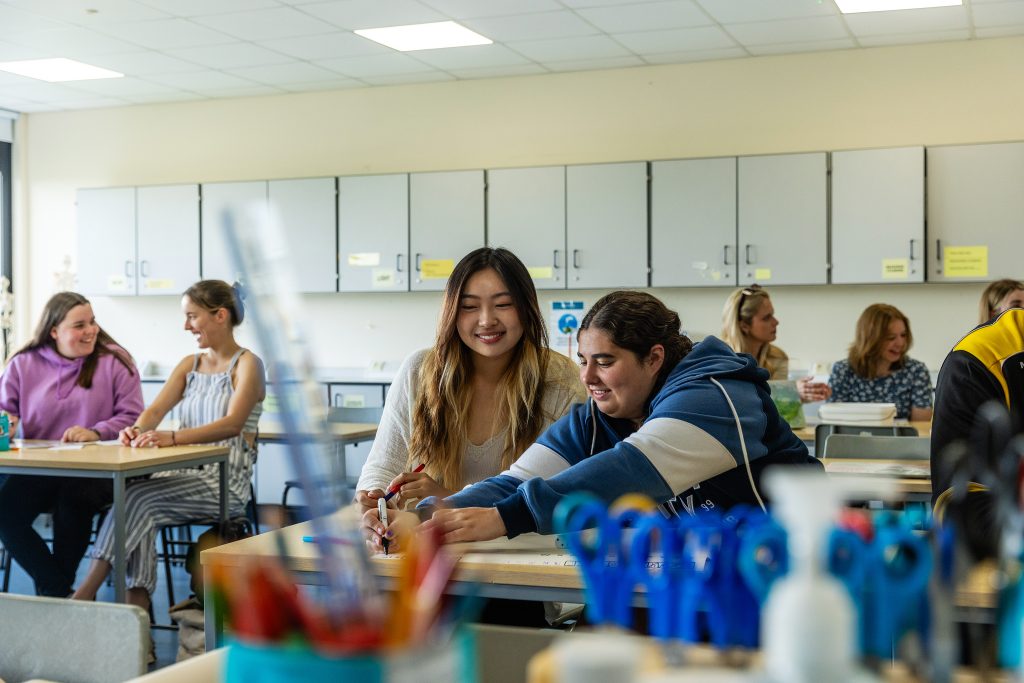
Students in a bright classroom working together at desks, with two in the foreground collaborating on a task while others chat and learn in the background.

Category: Uncategorised


Several children in school uniforms sit at computer workstations in a classroom, each focused on a desktop computer. The room is bright with natural light from large windows in the background.

A blog by Mamta Arnott, HMI

A new online self-evaluation tool is now freely available to schools across Europe to support inclusive practice. Known as STESSIE, the tool helps schools reflect on, evaluate and strengthen how inclusive they are. Developed through two Erasmus+ programmes, it represents a significant piece of collaborative European work – with Estyn playing an important role in shaping its foundations.

What is STESSIE?

STESSIE is an online self-reflection tool, also available as an app, designed to help schools review and improve their inclusive leadership, school culture and classroom climate. It was developed through two successive Erasmus+ projects: BIBESOIN (2018–2021) and STESSIE (2022–2025).

During BIBESOIN, Estyn worked closely with international partners to design the framework that underpins the tool. The later STESSIE programme built on this foundation, leading to the development and launch of the full digital platform. Importantly, the tool is freely accessible to schools across Europe.

Inclusion as a whole-school responsibility

At the heart of STESSIE is a clear principle: inclusion is a whole-school approach. It is not the responsibility of one team or specialist, but a shared commitment involving leaders, teachers, support staff, families and learners.

Rather than focusing on isolated initiatives, the tool encourages schools to reflect on how inclusive values shape everyday decisions, relationships and classroom experiences. It considers how leadership sets direction, how school culture promotes belonging, and how classroom practice responds to diverse needs. This holistic approach supports sustained, coordinated improvement rather than short-term fixes.

Listening to the whole school community

A key strength of STESSIE is its ability to bring together the perspectives of staff, parents and students within the same school. By examining these views side by side, schools gain a richer understanding of how inclusion is experienced across their community.

Perceptions may align – or they may differ. Both insights are valuable. This shared reflection helps stimulate professional dialogue, strengthen collective ownership and identify meaningful next steps.

A strong European partnership

The project brought together inspectorates, ministries, universities and schools from across Europe, led by the Standing International Conference of Inspectorates (SICI). This broad partnership ensured the tool reflects diverse education systems and experiences.

Project partners are listed below:

  • SICI – The Standing International Conference of Inspectorates (Lead organisation)
  • Onderwijsinspectie – Inspectorate of Education, the Netherlands
  • IH2EF – Institute for Advanced Studies in Education and Training, France
  • The Republic of Estonia – Ministry of Education and Research
  • Estyn – His Majesty’s Inspectorate of Education and Training in Wales
  • The Government of Malta – Ministry for Education, Sport, Youth, Research and Innovation
  • IES Monastil (IESM) – Institute of Secondary Education, Elda, Spain
  • National Inspectorate of Education, Bulgaria
  • Inspectorate of Education, Teacher Training and Support Centres and the Basque Government – Department of Education (Spain)
  • OEDE – Organisation of Primary Education Inspectors, Greece
  • Department of Education, Science and Universities – Community of Madrid, Spain
  • The Institute for Education Quality and Evaluation, Serbia
  • Ghent University, Belgium

Supporting long-term improvement

STESSIE is designed for ongoing use. Schools can return to the tool over time to track changes in perceptions, evaluate the impact of actions taken and refine their priorities. It provides a practical framework for sustained strategic development.

By encouraging shared reflection and collective responsibility, STESSIE offers schools a valuable opportunity to strengthen inclusion – supporting belonging, fairness and success for every learner.

It is now possible to add “Wales” as a country when registering for STESSIE.

Category: Uncategorised


Child in a school uniform holding up a book in a library, with another child and bookshelves filled with books in the background.

A blog by HMI Anthony Jones.

Whether you work in schools or have been following the news, you’ll know that improving reading skills is a key priority across Wales. From the early years, right through to post compulsory education, reading is vital for improving the life chances and success of the people of Wales and it’s an integral part of our work at Estyn. 

From our work on inspection, we know that there is effective practice in all sectors, but variability in provision means that too many learners are not fluent or advanced readers by the time they leave school or further education. Research tells us that this affects a young person’s life in numerous ways including: 

  • Long term economic hardship  
  • Higher risk of involvement with the criminal justice system 
  • Poorer health management  
  • Perpetuating the cycle of poverty 
  • Loss of independence and social withdrawal  
  • Preventing progress in all stages of education  

Estyn is committed to playing an active role in improving standards of reading and from September 2026 will have a three-year enhanced focus on reading.  

What is Estyn doing differently in the ‘three-year enhanced focus’? 

To support Wales and education in breaking this cycle, Estyn have adapted our activities in the following ways: 

  1. Reading is a priority on every core inspection for nearly all providers  

Estyn has always considered the quality of reading in the different sectors we inspect and we will continue to look closely at the progress learners make in reading at all stages. We will enhance the way we look at this and develop inspection activities to support us to gather evidence and report more clearly about the standards of children and young people’s reading skills.  

  1. There will be a sharper focus on the quality of provision for reading 

We understand that the most effective examples of teaching and learning in reading involve a range of different methodologies. In light of this, our enhanced focus will look at the approaches providers have chosen to develop reading and how well these are supported in Welsh and English lessons and across the curriculum. we will look at how well providers promote and support a culture of reading for pleasure and success.   

  1. We will consider how well leaders secure improvements in the provision for and standards of reading 

We will have discussions with leaders about how they have prioritised and planned to improve reading and will consider the impact this work has had on improving provision and standards.   

  1. Highlight strong practice and support for improving reading 

Alongside inspection activity, Estyn will share insights from what’s working across Wales and continue to publish materials, podcasts, findings from thematics and examples of effective practice to support providers to improve. 

So what is working so far in improving reading? 

Where we see strong practice on inspection for reading:  

Leaders… 

  • Prioritise improving specific aspects of reading based on their pupils’ needs 
  • Evaluate provision for reading based on its impact on learners 
  • Target and adapt resources and follow up actions on areas in most need of improvement  
  • Have a strong focus on improving the teaching of reading in Welsh, English and relevant areas across the curriculum  
  • Ensure professional learning helps teachers to develop learners’ reading skills 
  • Promote a positive culture of reading for pleasure and for learning  
  • Ensure all staff understand their responsibility in developing reading  

Teachers… 

  • Plan authentic and purposeful opportunities for learners to develop and improve their reading skills 
  • Use challenging and relevant reading materials that support both subject and skills development 
  • Deploy a range of different reading approaches that are adapted to their learners’ needs  
  • Support the development of a positive reading culture by modelling the joy of reading 

These factors ensure learners make progress in reading and staff have a strong understanding of effective teaching methods which are matched to individual needs. Estyn will continue to share updates and examples of this in the future.  

Continuing the conversation – where next? 

Reading is the foundation of all learning and Estyn is committed to supporting school and settings with this. You can visit our website for the most up-to-date information around Estyn’s approach to reading and make use of different materials to enhance your approaches to reading. 

Useful links 

Podcast – Overcoming Challenges in the Teaching of Reading 

Estyn Live – The reading journey in the primary sector

Literacy, numeracy and digital skills in adult learning in the community – Estyn  

The co-ordination of the provision for the progressive development of pupils’ skills – Estyn  

‘Literally everything’ – realising the full potential of a school’s library. – Estyn   

English language and literacy in settings and primary schools (Estyn, 2021)   

Caffael yr iaith Gymraeg (Estyn, 2021)   

Developing pupils’ English reading skills from 10-14 years of age (Estyn, 2023)   

Datblygu medrau darllen Cymraeg disgyblion 10-14 oed (Estyn, 2024)   

Category: Uncategorised


Close up image of a pupil's hand writing a maths equation on a small whiteboard.

A blog by Estyn inspector Gari Jones

Strong numeracy skills depend on high-quality mathematics teaching.

It has been a particularly busy year for the mathematics team at Estyn. Although we do not inspect mathematics as a standalone subject, numeracy is a key part of every inspection. We firmly believe that strong numeracy skills depend on high-quality mathematics teaching. For this reason, during our visits to schools we look closely at how well pupils progress in mathematics lessons and how effectively they apply these skills to solve problems, both within mathematics and across the wider curriculum.

At Estyn, subject specialism is important. This is a key consideration when recruiting inspectors, and within the secondary team we have several colleagues with a strong background in mathematics. Wherever possible, we aim to ensure a balance of subject expertise on inspection teams. Whilst our core inspection work always includes consideration of mathematics and numeracy, the past 18 months have seen an increased focus on the teaching of mathematics in particular.

A national picture of mathematics education:

Too many pupils are not making the progress they should in mathematics.

Last year, we were asked by Welsh Government to carry out a thematic survey into the quality of mathematics education for learners aged 9 to 16. A team of inspectors, led by Nicola Thomas HMI, visited schools across Wales and drew on evidence from core inspections to build a national picture.

What we found was mixed. In some schools, pupils clearly enjoyed mathematics and benefited from confident, engaging teaching. However, overall, too many pupils are not making the progress they should. This mirrors what we often see during routine inspections.

One of the most valuable aspects of the visits was the opportunity to speak openly with teachers and heads of mathematics. These professional conversations were honest and thoughtful, particularly around the support available for mathematics teaching in Wales. We also identified examples of effective practice that could be shared more widely and included these as detailed case studies in the final report.

Key findings and shared practice:

The report is essential reading for everyone involved in mathematics education in Wales.

The report concluded that, despite the commitment of teachers, standards in mathematics in Wales are too low. Three key issues emerged:

  1. variability in the quality of teaching,
  2. a lack of clear national expectations,
  3. and insufficient mathematics-specific professional learning.

The report, available on our website, sets out the features of effective and less effective mathematics teaching and includes practical case studies. We later revisited some schools to film examples of strong practice. These videos show strategies such as diagnostic questioning, effective use of mini whiteboards, purposeful questioning to deepen thinking, and the use of variation to help pupils recognise patterns and structures.

Continuing the conversation:

Driving standards in the teaching of mathematics.

In December, we held an Estyn Live event where schools shared effective practice in the teaching of mathematics, identified during inspection. We also recorded podcasts in English and Welsh with teachers and experts discussing the report’s key messages.

In February, Nicola and I will be leading professional learning events across Wales for secondary teachers and heads of mathematics on our ‘Maths Roadshow’ in partnership with Dysgu. These sessions will explore the report’s findings, share effective strategies and support teachers in evaluating pupils’ mathematical skills.

There is still time to register for a place if you have not already.

It has been an intense but rewarding period. Focusing on mathematics has reinforced just how vital high-quality teaching is in raising standards and improving outcomes for learners across Wales. We look forward to continuing our work within the system to support practitioners and drive standards in the teaching of mathematics.

Relevant links:

Unlocking potential: Insights into improving teaching and leadership in mathematics education – Estyn

Mathematics Video Resources – Estyn

‘Maths Roadshow’ in partnership with Dysgu

Sgwrs Podcast: Thoughts on the teaching of Mathematics in Wales – Estyn

Estyn Live: Insights into improving teaching and leadership in mathematics education

Category: Uncategorised


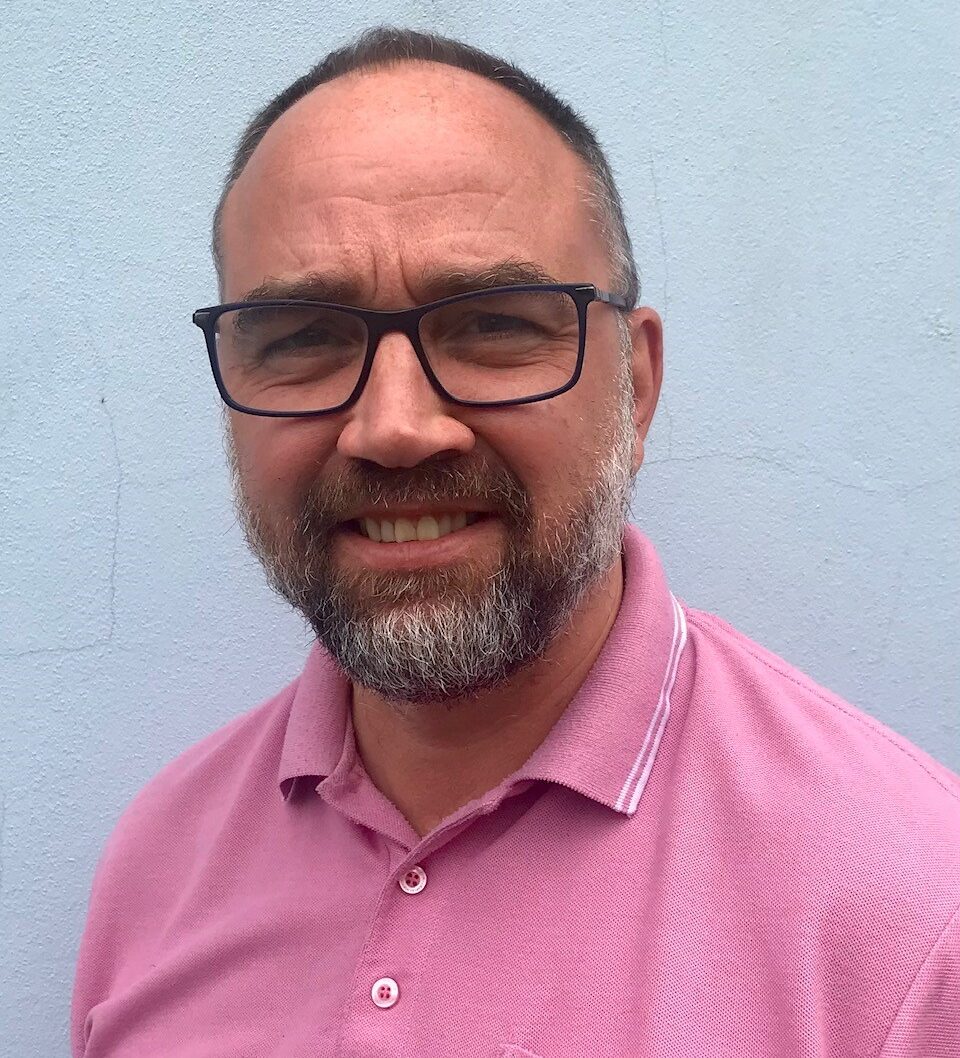
A headshot photo of Nick Hudd

Having recently completed my first Estyn inspection of a local authority youth service, as a Peer Inspector, I’ve taken time to reflect on what was a challenging, inspiring, and professionally enriching experience.

Following the initial peer inspector training, I felt confident in my understanding of the process, particularly how to review evidence in the Virtual Inspection Room ahead of the visit. This early insight proved invaluable as I moved into the on-site phase, where meetings, discussions, and observation visits brought the data to life and enabled me to contextualise the provision in practice.

As a youth work practitioner with over 20 years of experience, I was pleased to find that my fellow inspectors recognised the value of my sector knowledge and frontline insight. The inspection team worked collaboratively, and I felt genuinely respected as a peer whose contribution strengthened the overall inspection process.

The inspection itself was rigorous, transparent, and well-structured. Admittedly, I was initially nervous about navigating the administrative aspects accurately, but the support and guidance from the whole Estyn team was both clear and encouraging. I was consistently reassured that my role was not to become an HMI, but rather to bring my practitioner lens to the work. Something that made the experience both manageable and meaningful.

I believe that Estyn’s role in inspecting youth work provision is not only beneficial, but essential. It supports the continuous improvement of services, enhances the quality of provision for young people, and offers valuable learning opportunities for practitioners.

Personally, the experience deepened my own understanding of youth work in different contexts, broadened my professional perspective, and reinforced the power of collaboration and reflective practice in driving positive change. I would wholeheartedly recommend becoming a peer inspector to any experienced practitioner seeking to make a wider contribution to our field.

Did you know that you can visit our website to register your interest for future recruitment rounds relevant to your experience?

Find out more here.

You can find out more about our work in the Youth work sector here.

Category: Uncategorised


A report published today by Estyn evaluates the effectiveness and impact of the lead worker role in assisting at-risk young people through their transition into post-16 education, training, or employment.  

Where it works well, Estyn’s report highlights that this role can be a consistent and reliable presence, providing personalised support for the most at-risk young people to help them remain in, or to enter education, training, or employment. Estyn’s report however highlights that young people’s needs are increasingly complex and leaders and managers in local authorities faced challenges in meeting the scale of need and assessing the type of support required.  

Local collaboration to support the lead worker role varied, with the best cases involving strong representation from relevant agencies and leaders committing to information and data sharing. However, in many cases there were challenges due to anxieties and a lack of understanding about what personal information about young people’s needs and background could and could not be shared.  

Owen Evans, Chief Inspector says: “The lead worker role is intended to provide a consistent support service to at-risk young people as they enter post-16 education, training, or employment. We are aware that both referrals and the complexity of needs are increasing but young people need more continuity in the support they receive.

“Educational bodies must develop ways to measure the success of their work to prevent young people becoming disengaged from education, employment, or training (EET). Better data sharing about the circumstances of individual young people to facilitate stronger collaboration between all partners, including education and training providers, will enable young people to receive more relevant and timely support.

“We recommend that improvements be made to post-16 transition support by ensuring continuity of a young person’s lead worker until 31st January following a young person’s move into their post-16 destination, whether this is in school, at college, with a training provider, or employment.”  

Janine Bennett, author of the report, says: “In a young person’s life, the lead worker often serves as the only consistent and reliable presence. Our research shows that they played a pivotal role in providing young people with personalised support in relation to their current situation and accessing progression opportunities. Our report found however that whilst transition activities into post-16 colleges were typically well-structured, collaboration between post-16 providers and lead workers was often lacking once a young person enrolled, with many training providers being unaware of the lead worker role and its benefits.”

This report is based on evidence gathered through a series of visits to eleven local authorities, nine secondary schools, five colleges, five training providers, and the Careers Wales teams. The report brings together insights, examples of effective practice and several recommendations.