Effective Practice Archives - Page 40 of 66 - Estyn

Improvement Resource Type: Effective Practice


Improvement Resource Type: Effective Practice


Information about the school

Pencaerau Primary School is located on the outskirts of Cardiff.  There are 273 pupils aged 3-11 registered at the school, including 60 who attend the nursery.  There are nine single age classes, including two in the nursery.  The number of pupils eligible for free school meals on a three-year average is in excess of 40%, which is significantly higher than the national average of 18%.  The school has identified 18% of the pupils as having additional learning needs.

Around 78% of pupils are from white British ethnic backgrounds with 22% from a range of ethnic minority groups.  No pupils speak Welsh at home.  

Context and background to the effective or innovative practice

At Pencaerau Primary, there is a strong established model of partnerships working that enriches provision for all pupils.  These make an excellent contribution to raising standards within the school. Strong emphasis is placed on staff wellbeing and, in addition to providing enrichment extra- curricular activities for pupils, there is a variety of wellbeing clubs available for staff.  These include Tai chi, Dance and Keep Fit.  In recognising the extra effort the school places of wellbeing, it has recently achieved the Investors in People Platinum award.  This is the only primary school in Wales to achieve this at present.

Pencaerau Primary has built year-on-year strong working relationships with parents and carers. Parental involvement has been a key factor and has a sustained positive impact on attitudes to learning and school pride.

Description of nature of strategy or activity

“The school provides a tranquil and welcoming environment for all pupils.  It is an extremely happy and caring community, which many pupils regard as a second home.”

The school has a dedicated and committed staff who all share the same principles for developing pupils’ self-esteem and encouraging aspirational ideas and thinking.  There is a high level of ‘give it a go’ attitude and appetite for risk taking towards new ideas or approaches.  This is because all staff are part of the planning and discussion around new concepts and are able to openly share thoughts and ideas and identify any apprehensions before they are put in action.

Pupils are part of the process too and consulted with regularly.  Their ideas and thoughts are taken into consideration when planning both curriculum and extra-curricular activities.  Although this process is ongoing throughout the year, the school hosts separate Innovation Days for the entire school community to engage in the process.

Pupils have a great sense of pride and belonging to the school as a result of their opinions being genuinely considered and, where appropriate, ideas are put into practice.  Over the years, Pencaerau Primary has developed core values for class, which are developed and built upon year-on-year.  Each class has a set value to explore during that academic year.  Through assemblies and open days, the classes share knowledge and insights of class values with the wider school community.  This has the effect of embedding the value concepts and ultimately leading to positive wellbeing.

“The school has a very effective partnership with parents, a secure foundation on which pupils thrive and learn.”

Pencaerau Primary places huge importance on building positive relationships between home and school.  The school has a highly skilled parental engagement leader who has put in place a number of workshops and programmes, which develop parents’ skills and interests to support their children’s wellbeing and learning at home.  The school has spent several years developing a wide variety of activities to encourage parental involvement.  It monitors the success and impact of the programmes and refreshes them regularly to sustain and attract new interest.

The school continues to have a successful partnership with Cardiff University, whereby parents can take selected access courses to enable them to sign up for courses at foundation stage in the future.  Several parents have successfully taken advantage of this opportunity.

Pencaerau Primary continues to build on previous successful practice.  The school has further developed its networking opportunities with several local, national and international schools.  This has kept new initiatives and ideas flowing and opportunities to develop good practice further.  The school has fostered strong international partnerships as a follow on from their role within an Erasmus project.

What impact has this work had on provision and learners’ standards?

There is now a greater sense of self-esteem from the whole school community, in addition to developing greater reliance in approaching new ideas and concepts.  This has been evident in the continued high standards achieved and the strong value added, from entering the school to the end of key stage 2 for nearly all pupils.

How have you shared your good practice?

The school has continued to develop its international partnership and hosted further visits from European countries to exchange ideas for wellbeing and guidance support.  Parents have led some of the workshops, and the school leadership team exchanged best practice.  Best practice has also been shared during consortium and local authority training days.

The school’s many parental engagement projects have been celebrated and shared through an event that welcomed professionals from all over Wales.  This culminates in an award ceremony to celebrate the year-end achievements of the workshops and programmes.  Pupils are extremely proud to see their parents rewarded on these occasions.  Several of the programmes have been set up for parents to work alongside their children and cover a variety of areas, for example tea toast and tales, pottery, and IT starter programmes.


Improvement Resource Type: Effective Practice


Information about the school

Ysgol Bro Teifi is a bilingual school for pupils from 3-19 years old, and is maintained by Ceredigion local authority. The school opened as Ysgol Bro Teifi in September 2016, following the merger of Ysgol Gyfun Dyffryn Teifi and Aberbanc, Pontsian, Coedybryn and Llandysul primary schools.

Context and background to the effective or innovative practice

When the school was established in 2016, a need was identified at an early stage to create structures to facilitate pupils’ journeys throughout their time at the school so that they were as smooth as possible.  A phase system was established (Phase 1 – Nursery to Year 4, Phase 2 – Year 5 to Year 8, Phase 3 – Year 9 to Year 13), which has led to effective transition and information-sharing systems in order to ensure the best identification of all pupils’ needs, and therefore to continuous provision for them.  The fact that there is one additional learning needs co-ordinator for the whole school strengthens identification of individual pupils’ specific needs and ensures that suitable and early intervention programmes are tailored for them.  In order to target appropriate and timely intervention for pupils across the age range, the school makes effective use of information to track progress, behaviour, attendance and wellbeing.  The school considers provision for pupils’ wellbeing to be just as important as curricular provision and that the two aspects cannot be separated.

Description of the nature of the strategy or activity

There are consistent tracking systems that identify pupils’ progress and attainment across the school.  As part of the strategy to improve identification of pupils on entry to the school, social and emotional skills are assessed by using commercial tests and the school’s internal assessments.  By using this information, nurture provision is arranged for primary age pupils who have underdeveloped social and emotional skills within the “Clwb Cwtsh”.  This provision is available four days a week and is held in a purposeful classroom.  Within the sessions, trained staff provide support for foundation phase pupils in the morning and key stage 2 pupils in the afternoon.  The result of intervention is that pupils gain confidence, develop a positive self-image and develop the skills necessary to allow them to gain full access to the curriculum.  The success of the ‘Clwb Cwtsh’ also derives from the close contact between the school and home.  Parents are invited in regularly to see provision and discuss with staff.

By tracking pupils’ behaviour and effort in lessons, heads of phase develop a robust overview of pupils’ attitudes to learning.  This allows them to respond proactively in order to provide a solution to underperformance.  This is done through an open discussion with the pupil, their parents and the school’s staff in order to identify the way forward and target appropriate intervention. 

Practices for monitoring and tracking attendance across the age range have been embedded firmly.  Pupils who are causing concern are discussed weekly with the deputy headteacher, heads and assistant heads of phase, the local authority’s inclusion officer and the school’s attendance officer.  This leads to effective communication with parents and carers in order to respond immediately to concerns about low attendance.  This means that most pupils and parents see the value of attending school regularly which, in turn, leads to positive attitudes towards the school and learning.

The work of heads of phase and the additional learning needs co-ordinator across the school is core to the school’s robust identification of its pupils’ needs.  From the rigorous information that the school has about them, a comprehensive programme of effective interventions is targeted, which includes:

  • Referring to various agencies, including the team around the family, the school counsellor, the prevention and youth justice service and social workers
  • Adapting the curriculum to meet pupils’ individual needs
  • Scheduling purposeful sessions in the ‘Hafan’, which is a centre within the school that provides emotional care for vulnerable pupils, while also providing qualification programmes and a programme of the social use of language

Emphasis is placed on activities within the phases as pupils move from the foundation phase to Year 3, Year 6 to Year 7, Year 9 to Year 10 and from Year 11 to the sixth form.  By ensuring a continuum of staff and resources, there is no break in the academic and pastoral provision that most pupils experience as they move from one key point in the education to the next.

What impact has this work had on provision and learners’ standards?

As a result of rigorous progress-tracking systems, the school provides additional support in order to give pupils every opportunity to reach their potential.  Provision for additional learning needs ensures appropriate levels of intervention, which enables pupils to have rich curricular experiences.  The school’s caring nature means that nearly all pupils behave exceptionally well, treat others with respect and care and show very positive attitudes to learning.

Provision within ‘Hafan’, in addition to support from the school counsellor, are effective in ensuring that pupils have full access to the curriculum, in addition to ensuring appropriate qualifications.

How have you shared your good practice?

Effective practices are shared across the school in order to develop consistent practice from one phase to the next.  The school also shares the effectiveness of the phase structure and provision for pupils’ care and wellbeing with visitors, in addition to forums such as the Welsh all-age schools forum.

Improvement Resource Type: Effective Practice


Information about the local authority

Bridgend County Borough Council is a local authority in south Wales with a total population of 144,288.  The county lies at the geographical heart of south Wales, stretches 20km from east to west and occupies the Llynfi, Garw and Ogmore valleys.  The local authority maintains nine secondary schools, 48 primary (including two infant and one junior) schools, two special schools and a pupil referral unit. 

Context and background to the effective or innovative practice

The local authority places a significant emphasis on the importance of consulting with young people and taking good account of their views and opinions.  This work is underpinned by an effective participation strategy.

In April 2017, the Education and Family Support Directorate appointed a dedicated Children’s Rights and Participation Worker.  The main focus of the role is to develop stronger links between the Bridgend Youth Council and the respective school and college councils.  The success of this role has led the local authority to run a recruitment campaign for an additional Children’s Rights and Participation Worker to expand and build upon the positive work completed to date.

Description of nature of strategy or activity

Across the local authority, children and young people make a very positive contribution to influencing decisions about the services that affect them.  The emphasis extends beyond consultation to genuinely involving them in the decision-making process and giving feedback on how their contribution has made a difference.  Each of the sections below shows examples of the range of activities that help to make this strategy successful.

The local authority wide ‘Participation Network’, which is inclusive of the youth council, elects a youth mayor annually.  Specialist groups are set up to implement children’s rights and participation across young people’s services.  This process includes the inclusion of vulnerable, marginalised and disengaged children and young people across the local authority.  These play an active role in the decision‑making and participation processes through regular meetings and work well with the Bridgend Youth Council.  Young people in each school and college provide feedback to the Youth Council’s representatives on their priorities, for example about increased access to, and more awareness raising of, extra-curricular clubs and activities. 

During the recent review of post-16 education, pupils from all secondary school councils took part in workshops to provide their views on the ‘ambitions for 16 to 18 education across Bridgend County’.  A detailed survey to establish learners’ views of current 16 to 18 provision was also launched and over 1,500 learners aged 16 to 18 responded.  The review board found this level of response extremely helpful in supporting their views about the likely impacts of the concepts under consideration.

The Education and Family Support Directorate hold an annual ‘Festival of Learning’, with the learner voice central to this event.  A ‘Learners’ Day – Learner Voice Forum’ is held as part of the event.  This engages with about 100 primary and secondary school learners in a series of activities that promote participation and stimulate learner-led discussion.  For example, in 2018, representatives from all school councils considered ‘What makes children happy in school?’ in advance of the day and their cluster responses were recorded in a short film.  As part of the focus on wellbeing at the event, the clusters of school councils were asked to consider what will ‘make them happier in their school and community’.  The views of the learners (and teachers) were captured via a number of highly interactive workshop sessions arranged by the Youth Development Team.  These views are helping to inform decision-making within the Education and Family Support Directorate. 

The local authority’s Inclusion Service reflects the importance of an individualised approach in capturing the views of learners.  Teams within the service use varying strategies, including: one page profiles, ‘All About Me’ and ‘My Vision’ documents to facilitate pupil-led reviews and face-to-face interviews, and to discuss confidence scales and pupil questionnaires.  This good practice is shared with schools through training, individual pupil, group and whole-class consultations and role modelling during review meetings. 

Bridgend Youth Council took the lead for the local authority in addressing ‘period poverty’ through its schools.  For the financial year 2017-2018, the local authority used a Welsh Government grant to invest in the provision of free-to-access menstrual products, sanitary equipment and necessary changes to toilet facilities in schools.  Members of the Youth Council gave their views on how the local authority should use the funding to maximise the potential of the allocation.  They developed a short questionnaire to be completed by pupils to identify the current practice in schools, their experiences of these and their preferred method of accessing products. Youth Council members consulted with senior leaders in schools to identify whether any training for staff was needed and the changes that were necessary to meet young people’s needs successfully.

These consultations found that young people prefer to access products from a member of staff.  This enables them to receive information, advice and guidance in addition to a supply of products.  With this information, the Youth Council, together with relevant stakeholders, chose to focus on creating more awareness of the availability of free-to-access products within schools.  Working with a design company, the Youth Council developed a young person-friendly poster that offered pupils a discreet point of information as to how they can access products. They placed posters on the back of each cubicle door in relevant toilets in all secondary and primary schools.  This was an ambitious plan involving over 600 toilets.  The local authority children’s rights and participation worker supported the Youth Council’s work and liaised with the relevant departments in the council to ensure that the idea was realised.  

What impact has this work had on provision and learners’ standards?

The main driver for the ‘period poverty’ grant was to enable young people that otherwise may have missed school to access products to ensure that their attendance remains unaffected. Engaging with young people through the youth and school councils ensured that the council was in the best position to determine the most appropriate mechanisms to reach affected pupils.

More generally, the learner voice strategy is particularly effective in the delivery of two of the four core purposes in the curriculum for Wales by helping children and young people to develop as:

  • ethical informed citizens of Wales and the world
  • healthy, confident individuals, ready to live as valued members of society

Active involvement helps the children and young people involved understand how their contributions can be heard through the democratic processes.  This work makes valuable contributions to young people’s health and wellbeing, and provides purposeful opportunities to develop literacy skills. 

How have you shared your good practice?

The ‘period poverty’ posters and associated material have been adopted in the local authority’s residential settings and wider communities.  These are distributed through partnerships with local food banks, community hubs and other local groups.

Good practice has been shared with all schools in the local authority through the school councils and with other local authorities by inviting officers to these events.

The Festival of Learning has also been shared with higher education practitioners through the Conference of Action Research Network (CARN) in Manchester (October 2018).

Other learner voice good practice examples have been shared with schools, Central South Consortium and other stakeholders.

Improvement Resource Type: Effective Practice


Information about the school

Ysgol Maes Hyfryd is a special school situated in Flint and maintained by Flintshire local authority.  It serves all of Flintshire and also provides for several out of county placements.  The school is co-located with Flint High School and shares a few of its facilities.

The school provides education for pupils aged 11 to 19 years who have a statement of special educational needs.  These needs include support for autistic spectrum disorders, speech, language and communication, and moderate, severe and profound learning difficulties.  There are currently 110 pupils on roll, of whom 44% are eligible for free school meals.  Nearly all pupils are from homes where English is the main spoken language.

The school is an inclusive community that focuses on the wellbeing and progress of every child and where all members of the community are valued equally.  Maes Hyfyrd promotes respect for difference and diversity through the school’s vision, ethos and values, which underpin all that the school does on a day-to-day basis.  The school aims to ensure that every pupil reaches their full potential in the four aspects of its vision: wellbeing, attitude, knowledge and skills.

Context and background to the effective or innovative practice

The school’s staff and governors are committed to providing an education of the highest possible quality whilst meeting the varied individual needs of pupils so that they build on the skills needed for their future place in society.  In order to provide our pupils with these opportunities,the school invests a great deal of time and commitment into work with parents, carers and families and the community to support pupils’ wellbeing and independence directly.  The school places a priority on the independence of pupils in their curriculum and sees the work with the community as an imperative part of this.

The Vision:

The vision of providing valuable work related experiences became a key priority for Maes Hyfryd to expand pupils’ opportunities and plan for their futures.  As a result, a work experience co-ordinator was appointed to provide many pupils with successful and meaningful work placements.  The extensive wider community support in providing work-related learning experiences has been key to this success.

Following the success of the work placements, we identified a priority need for a ‘Travel Trainer’ role to build on the independence skills the work experience aspect of the curriculum provided our pupils.  This role provided for a dedicated member of staff to support pupils in developing their ability to access independent travel plans to increase their potential of playing a full role in their community.  This fuller role includes pupils accessing recreational facilities such as the local cinema, shops and retail park as well as much needed access to future college and work experience placements.  The success of this role has been evident across many aspects of the school, particularly in the 14-19 programme where majority of pupils access this support.  Many pupils now travel independently to and from their work placement, their college provider and local amenities, which they did not do prior to the ‘Travel Trainer’ role starting. 

The school also identified the need to introduce a family engagement worker to further develop the work with parents, families and a range of multi-agency providers.  This role provides external agencies and families with an impartial member of staff who can provide information, support and training and be a key link between school, agencies and families.

Description of nature of strategy or activity

As a result of Maes Hyfryd’s passion continually to improve learning opportunities and the wellbeing of pupils, the school has been innovative in its approach to the curriculum and the decision to create non-class based roles to support the growth of community and independence work and links with families. 

Initially, a work experience co-ordinator was employed to plan and organise suitable work experience placements to meet the aspirations of the pupils, and staff support networks were put in place as required to ensure positive experiences for the pupils.  A few years ago, the school introduced the role of a ‘Family Engagement Worker’ (FEW) with the purpose of liaising with both families and multi-agencies as the key point of contact.  A travel trainer co-ordinator was also employed to enable pupils to develop much needed road safety and travel skills to access community facilities independently and safely.  The travel trainer works closely with the work experience co-ordinator, enabling placements and independent travel to take place to and from work to enhance pupils’ independence, confidence and self-esteem. 

The family engagement worker – FEW:  has developed a programme of family support to enable parents to support their child in their learning effectively.  This support has built positive relationships with families and further developed the link between home and school.  It has encouraged parents, carers and families to become an active part within the school community.  The role includes supporting with the transition programme, meeting the families before the pupils join Ysgol Maes Hyfryd via home visits, school open evenings and visits to the school.

The ‘FEW’ successfully networks with a wide range of outside agencies such as health, social services, team around the family and respite organisations, developing and maintaining good working relationships.  Working alongside social workers and health professionals, the FEW attends core group, case conferences and care and support planning meetings, ensuring that there is support in place for the families.  The role also supports families in recruiting personal assistants and respite care for the pupils and families, and support with prospective colleges and residential visits, as required.

To enhance and support pupils’ confidence and place in the community beyond school, the FEW also links with outside agencies such as Action for Children, Barnardo’s, Keyring, Communities for work and several others.  In addition, following consultation with parents, parental workshops have been delivered on a rolling programme focusing on key aspects of school development and insights into areas such as accredited courses.  The FEW also provides support for families in a wider areas such as completing forms for grants, home visits and transition support.

Transport training and work experience

The travel trainer has trained pupils to a level of competency that has resulted in them being able to travel independently for work placements, college and accessing their local community.

Currently, Ysgol Maes Hyfryd has links with over 20 local work providers.  This provision has enabled pupils to attend work experience placements and has also resulted in a number achieving part-time jobs at these placements.  All placements are in the local area and many support community initiatives such as Buzz community cafe, Sidewalk independence project and Age connects cafe.  Pupils enjoy working alongside the community and they are involved in many meaningful initiatives and projects.  For example, when completing work programme evaluations, staff from the placements have stated: ‘We would not be able to facilitate the group without their support.’ ‘We thoroughly enjoy having the students for work experience and we learn from them as well as them learning about the work environment’. ‘Everyone who comes to Share Mold, and is lucky enough to meet these students has been very impressed by the hard work and dedication they have shown in every task they take on.

What impact has this work had on provision and learners’ standards?

These combined roles have had a very positive impact on pupils’ performance, wellbeing and independence, as well as strengthening work with parents, the community and outside agencies.  For example, the FEW has provided early intervention for pupils with emerging attendance concerns and helped pupils who have had long periods of absence from school with settling back in, often by providing one-to-one mentoring support.  Through the effectiveness of the family engagement worker, Ysgol Maes Hyfryd is the first special school in North Wales to achieve a national quality mark that recognises the work it undertakes with families and the community.

The parental workshops developed to support the families with their children have also had a positive impact.  This includes workshops in different areas such as behaviour management and ‘Sleep Tight’ for parents with children who have difficulty with bedtime routines and sleeping patterns.  These workshops have provided helpful guidance for parents managing their child’s behaviour in the home and out in the community, and contributed to a shared understanding about behaviour expectations.

Overall, the transport training and work experience placement roles have made an immensely valuable contribution to the motivation, attainment and progression of pupils in the 14-19 programme.  For example, over the last three years, the number and range of qualifications that pupils gain have increased and all pupils leaving the school have progressed to further education and/or specialist college provision.  Importantly, pupils have developed valuable life skills and independence as part of these successful partnership initiatives to improve the quality of provision that helps to bring about these improvements.

How have you shared your good practice?

This initiative has been received positively by college providers and local mainstream schools through the work and effective practice that the school shares with them on a regular basis.

Improvement Resource Type: Effective Practice


Context and background to the effective or innovative practice

The young people in the youth offending unit at Parc Prison range in age from 15 to 17. The unit accommodates up to 60 young people and it is the only one in Wales. The young people come mainly from Wales, the South East and South West of England. The length of sentence varies but a significant number of young people in the unit have long sentences, in a few cases, longer than their current age. There are also young people on remand in the unit, who are awaiting sentence. Many have been in and out of care or juvenile offender settings for much of their lives. Nearly all young people have not attended school regularly, if at all, since a very young age, or they have had a very poor experience of formal education.

Description of nature of strategy or activity

The vision for the learning and skills centre, is ‘to improve every young person’s future and to change lives’. Leaders and staff promote equal opportunities and value diversity. They place a strong emphasis on helping the young people to improve their self-esteem and respect for others, as well as developing their confidence. Their aim is that young people leave prison with skills that will allow them to put their offending behaviour behind them and undertake useful roles in society.

The centre provides full time education (25 hours a week) for learners in an inclusive and supportive environment.  Strict prison discipline is practised throughout the communal areas of the unit and there are clear sanctions for those breaking the rules. Security staff, education leaders and teachers work together well to ensure a safe environment.  Teachers and young people work together in locked classrooms and they are searched on entry and on leaving the classroom. Despite the prison safety requirement teachers maintain a pleasant, supportive and purposeful atmosphere within the classrooms. Walls and sometimes the ceilings and floors are decorated with useful, subject specific, information and posters.

Learners have access to a regular supply of water, fruit and healthy snacks during the day. The centre has a well-stocked library with a resident librarian. There is a well-equipped music room with up to date electronic technology. There is also a training kitchen and a canteen. Learners move to other areas of the prison to use craft workshops where they learn practical employment skills. Learners also have access to a gym and fitness suite where they improve their fitness and learn about healthy lifestyles.

Young people are assessed within three days of arrival at the unit for their basic skills levels and they are assigned to a learning ‘pathway’ which most suits their needs and interests, for example, catering with maths, English and ICT. Staff identify those young people with additional learning needs and they put appropriate support and learning programmes in place. Staff give learners with ALN extra support.

The current curriculum reflects the new Curriculum for Wales and the Welsh Government’s policy for young people, Extending Entitlement. Learners can access useful extra programmes outside the normal timetable, to further support their re-integration into society on release.

Many of the young people have complex and diverse needs. Teachers use a multidisciplinary learner-centred approach to work with them. They have a strong commitment to supporting learners and maximising their potential through the course of their sentence and towards resettlement. Teachers promote respect and demonstrate endless patience. The young people in the unit can be challenging and sometimes display erratic and volatile behaviour. However, most young people have a genuine respect for the teaching staff and appreciate the teaching and support that they are given. Staff model respectful behaviour by shaking hands and greeting each learner by name at the start and the end of each lesson, whatever has taken place during the session. This promotes a sense of dignity and self-worth in the learners and emphasises that each session can be a new start. Despite the circumstances, staff do all that they can to make the learning environment pleasant and supportive. 

Learners’ abilities can range from entry level 3 to GCSE. Teachers know the levels of new learners and they use differentiated activities well to ensure that everyone can benefit from the learning. Teaching is planned to cater as much as possible for the individual needs of learners. This is often challenging when lengths of sentences vary and learners are sometimes moved around the prison system at short notice. However, teachers prepare well planned lessons using materials that stimulate and interest the learners. The young people are not allowed access to the internet and so much of the material is designed and produced by the teachers, based on their knowledge of the needs and learning styles of the learners. Teaching is of a very high standard and often inspirational.

Leaders and staff work as a close team and support one another well. They hold weekly meetings where they monitor learners’ progress through individual learning plans. They provide individual work for learners confined to their cells. Refusal to attend education is rare.

What impact has this work had on provision and learners’ standards?

Most learners gain useful skills and knowledge that will help them in their future lives and relationships and which will help them to gain employment and avoid future offending behaviour. During their stay in the unit, most improve by two levels of achievement or more. Many young people are successful in gaining qualifications that help them progress to further learning or into formal education beyond the prison gates. Many produce practical work, such as bookcases or chairs for their families and siblings, of a very high quality. This gives them a sense of accomplishment and makes their families proud. Many young people arrive in prison with very low levels of literacy and numeracy. Many improve their literacy and numeracy during their time in prison which increases young people’s employability. However, the most important impact of the teaching is the improvement in young people’s self-esteem, promoting a sense of dignity and hope for improved life chances beyond the prison gates.

Improvement Resource Type: Effective Practice


Information about the school

Trinity Fields School and Resource Centre is the only special school serving the county borough of Caerphilly.  Currently there are 170 pupils on roll aged from 3 to 19 years.  Nearly all pupils have a statement of special educational needs (SEN) for severe learning difficulties, physical and medical difficulties, profound and multiple learning difficulties (PMLD) or autistic spectrum disorders (ASD).

Nearly all pupils come from within the county borough of Caerphilly; a very few come from neighbouring local authorities.  All of the pupils are from English speaking backgrounds.  Around 40% of pupils receive free school meals.  A very few pupils are looked after by the local authority.  

In addition to the provision on the Trinity Fields site, the school operates two satellite classes at Cwm Ifor Primary School and St Cenydd Community School.  The resource centre based at the school works in partnership with the local authority to provide a range of bespoke services to support pupils with additional learning needs in mainstream schools across the local authority.  These services include: Caerphilly Autistic Spectrum Service (CASS), health-based clinics, an outreach and inclusion service, youth and leisure activities, and respite and home support services. 

Context and background to the effective or innovative practice

Staff and governors work in close partnership with the school council to embed pupil participation at every level across all aspects of its work.  The school is a Rights Respecting School (RRS), an award that recognises its achievements in putting the United Nations Convention on the Rights of the Child (UNCRC) at the heart of planning, policies, practice and ethos.  The school’s journey towards achieving this important award has helped it continue to improve its provision and develop pupils’ talents and abilities, enabling them to make strong progress.

Description of nature of strategy or activity

In September 2012 the school began its journey towards becoming a RRS, achieving full RRS status in January 2017.  The school took the key steps outlined in each section below as part of implementing the RRS agenda.

Initially the school identified four key rights from the UNCRC that it thought were most relevant to its children.  These were:

  • Article 19: Governments must do all they can to ensure that children are protected from all forms of violence, abuse, neglect and bad treatment by their parents or anyone else who looks after them.
  • Article 28: Every child has the right to an education.  Primary education must be free and different forms of secondary education must be available to every child.  Discipline in schools must respect children’s dignity and their rights.  Richer countries must help poorer countries achieve this.
  • Article 29: Education must develop every child’s personality, talents and abilities to the full.  It must encourage the child’s respect for human rights, as well as respect for their parents, their own and other cultures, and the environment.
  • Article 42: Governments must actively work to make sure children and adults know about the Convention

The school then raised pupils’ and staff awareness of these articles through a long-term, co‑ordinated approach that included assemblies, displays, personal and social education, opportunities to achieve accredited units for older pupils and staff training sessions. 

To ensure planning for pupil voice is central to what happens at whole-school and class levels, the school implemented awareness training for staff on pupils’ rights, with a particular focus on developing the skills of staff who work primarily with pupils with PMLD.  This approach was to enable these staff to apply their understanding in relation to individual pupils’ needs.  It added key UNCRC articles to school paperwork and mounted large displays around the school of “rights in action”.  Pupils from the school worked with the Children’s Commissioner for Wales to develop a more accessible format for the UNCRC articles.  These are now available on the Children’s Commissioner’s website.

School leaders worked in partnership with the school council and pupil leadership team to develop an extensive range of pupil-friendly policies and documents.  These include pupil‑friendly policies such as safeguarding, health and wellbeing, food and fitness, e-safety, assessment, attendance, teaching, and learning and curriculum.  It also ensured that documents such as the school development plan, school vision and aims, and IEPs are available in formats accessible to all pupils. 

The school strengthened opportunities for pupil leadership and learner voice through the pupil leadership team and school council.  Within this structure, the roles of head, and deputy head, girl and boy have provided purposeful opportunities for individuals to fulfil specific high-profile responsibilities.  For example, members of the pupil leadership team have successfully helped lead visits with Assembly Members, Member of Parliament, the Children’s Commissioner for Wales, senior local authority officers and consortium personnel.  Leading these visits shows clearly how much pupils are engaged in school life and their knowledge of how the school works.

The school embedded robust approaches to arrangements for listening to pupils to ensure that these support their work as a RRS.  For example, the school council plays a pivotal role in the appointment of all new staff.  Pupils are keen to be involved and know that their views are taken into consideration by governors when making new appointments.  Candidates usually comment that their interview with the school council is one of the most challenging aspects of the selection process!

All pupils contribute effectively to the school’s self-evaluation processes.  For example, an “Ideas Tree” outside the headteacher’s room enables pupils to place their suggestions, which in turn feed into self-evaluation and school development planning.  Pupils routinely lead school assemblies and end of day reflections; this again develops their communication skills, confidence and promotes pupils as leaders.

Up until spring 2019, the views of pupils were communicated to the governing body by the headteacher through his termly report.  However, to further strengthen pupil voice the head girl and boy now present their own written report to the governing body that includes information about what is working well and what requires further development.  Each year the head girl and boy also write to all stakeholders such as governors, health and social services staff, schools with our satellite classes to seek their views about what is “great” at Trinity Fields and what would make the school even better.

What impact has this work had on provision and learners’ standards?

All staff, governors, parents/carers and other key partners are fully committed to placing pupils at the heart of everything we do.  Pupils know that their opinions matter; they are not afraid to express their views to staff and governors; they have become increasingly confident, independent and more fully engaged in all aspects of school life.

Pupil-friendly documents and policies enable pupils wherever possible to develop their understanding of a range of key information about their school and where necessary help them make informed choices.

Our commitment to the RRS agenda and pupil voice is reflected in the school’s achievement of a range of national awards and is well-documented in those bodies’ supporting reports (all available on the school website). 

How have you shared your good practice?

Pupil engagement practices have been widely shared with colleagues within the local authority, consortium and across Wales. 

Improvement Resource Type: Effective Practice


Information about the setting

Open Door Family Centre is registered to care for 19 children aged from two to four years old at any one time.  Flying Start sessions for two-year-old children run from 9.00 am to11.30am five mornings a week during the term time and for two weeks during the summer holidays.  Foundation phase sessions for three-year-old children run from 12.30pm to 3.00pm from Monday to Thursday each week.

The setting is based on the Oldford site of Welshpool Church in Wales School in Powys.  The area has significant levels of deprivation.  A minority of children have English as an Additional Language. A group of volunteers established Open Door Family Centre as a parent and toddler group in 1993 and it has developed from this.  It has a loving and nurturing ethos and aims to provide effective opportunities for children to play and learn in a happy and secure environment.   

Context and background to the effective or innovative practice

Children at Open Door Family Centre develop their independent learning skills extremely well.  They learn to make their own decisions, to try out different experiences and to take risks increasingly confidently.  Practitioners understand when to intervene and when to stand back and give children time to consider their risk taking decisions.  This supports them extremely effectively.

Description of nature of strategy or activity

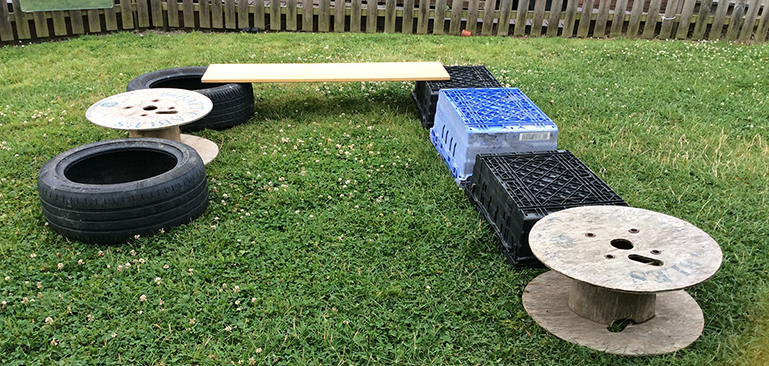
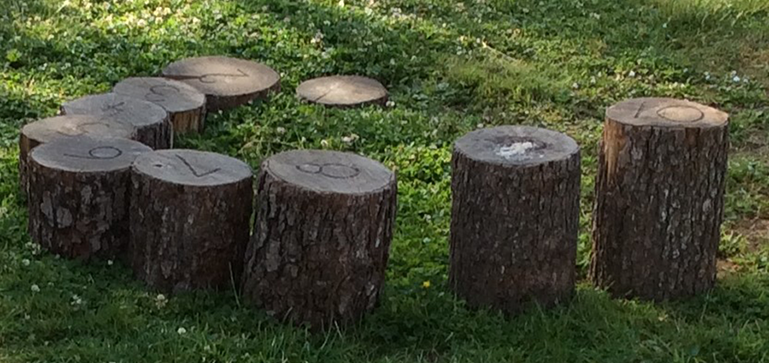
All practitioners understand how important it is to encourage children to become independent learners, and to develop their resilience and confidence through making their own decisions and taking risks.  This ensures a highly consistent approach that develops children’s skills effectively.  Leaders carry out careful risk assessment that identifies potential hazards and how to overcome them.  This creates a safe environment and gives practitioners confidence to allow children to try things out independently.  Practitioners talk to children about the equipment in the setting and explore how to use it safely with them.  This helps children learn to take responsibility for their own actions and to take measured risks.  Leaders consider what resources to provide carefully in order to challenge children effectively.  Examples in the outdoor area include stepping logs that increase in height, large blocks, ramps, tyres and balancing equipment.  Practitioners support children skilfully as they encourage them to use these.  They are careful to give children plenty of time and space to have a go, and not to intervene unless it is important to do so.  When it is appropriate, they use encouraging language to build children’s confidence.  As a result, children learn to overcome their fears and experience a strong sense of achievement.  This develops their confidence and sense of self-worth extremely effectively, as well as developing important physical skills such as their sense of balance.

What impact has this work had on provision and children’s standards?

Nearly all children move around the setting freely and make strong choices about what they want to do.  Their confidence grows when they take risks and succeed.  They develop their self-esteem, ability to solve problems and resilience effectively and, as a result, they learn to persevere when they find tasks difficult.

How have you shared your good practice?

Open Doors Family Centre uses social media to share its good practice. The local authority shares this information with others through networking events.

Improvement Resource Type: Effective Practice


Information about the setting

Open Door Family Centre is registered to care for 19 children aged from two to four years old at any one time.  Flying Start sessions for two-year-old children run from 9.00 am to 11.30 am five mornings a week during the term time and for two weeks during the summer holidays.   Foundation phase sessions for three-year-old children run from 12.30pm to 3.00pm from Monday to Thursday each week.

The setting is on the Oldford site of Welshpool Church in Wales School in Powys.  The area has significant levels of deprivation.  A minority of children are learning English as an additional language.  Open Door Family Centre was established originally as a parent and toddler group in 1993 by a group of volunteers and has developed from this.  It has a loving and nurturing ethos and aims to provide effective opportunities for children to play and learn in a happy and secure environment.  

Context and background to the effective or innovative practice

Open Door Family Centre required monitoring by Estyn after its inspection in 2013.  Following a change of management, new leaders were eager for good advice and support to help them move forward.  They made the most of opportunities and suggestions offered by Early Years Wales, childcare business support, foundation phase and flying start advisory teachers.  Leaders worked together successfully to establish clear managerial roles and strategies.  They shared a strong vision effectively with all practitioners, and this created a positive ethos in the setting.  As a result, all staff understand their roles and responsibilities, and work together well with the trustees to achieve the setting’s goals and bring about sustained improvements.

Description of nature of strategy or activity

Managers and trustees have established exemplary processes and procedures to ensure that the setting is safe, runs efficiently, meets all national minimum standards and often exceeds these.  They have established simple, efficient and effective processes that maintain their focus on important procedures consistently and successfully.  These include simple checklists to ensure that they review policies and renew certificates in a timely manner.  There is a well-established timetable for supervision and appraisal meetings.  Leaders use these meetings successfully to identify practitioners’ strengths, and to support them in their professional development effectively.  They set useful development targets that help motivate practitioners, support their wellbeing and lead to improvements in the setting’s work.  Leaders keep a useful overview of training in a simple format that includes an evaluation of the impact on standards in the setting.  They cascade the main messages from training to all practitioners, so that it has maximum impact on the setting’s work.  Trustees play a vital and active role in the setting.  For example, they ensure that there is an effective focus on maintaining high standards of safeguarding in the setting.  Good communication is highly valued.  There are monthly team meetings that involve all practitioners in bringing about improvements successfully.  Leaders use a simple but highly effective format to record actions from the meetings that allows them to monitor progress regularly.  

Leaders use resources highly effectively to meet children’s needs and promote high standards of learning and wellbeing.  They use their professional understanding and the skills they develop in training highly effectively to choose new resources wisely.  For example, recently, they invested in ‘real’ objects for the home corner to provide a meaningful context for children’s play.

What impact has this work had on provision and children’s standards?

Establishing simple and highly effective processes and procedures, and following these consistently, ensures that the setting is safe and secure, that practitioners develop well professionally and enjoy being part of a strong team, and that children benefit form high quality provision that is regularly evaluated and refined.  This leads to high standards of learning and wellbeing in the setting.  

How have you shared your good practice?

Open Doors Family Centre uses social media to share its good practice and the local authority disseminates good practice information to other settings such as through networking events.

Improvement Resource Type: Effective Practice


Information about the setting

Flintshire local authority has developed an integrated approach to Language Development, which offers services and support at a universal, targeted and specialist level.  Close collaboration between the local authority’s Language Service (CLASS), the English as an Additional Language Service (EAL) and Speech and Language Therapists (SALT) from Betsi Cadwaladr University Health Board has ensured positive outcomes within mainstream and specialist settings.

Background and Context

Flintshire County Council is located in North Wales and has a total population of 155,155. The local authority maintains 78 schools.  There are 64 primary schools, including five that provide Welsh-medium education.  There are 11 secondary schools including one Welsh-medium school.  In addition, there are two special schools and a portfolio pupil referral unit.  Specialist provision within the county is enhanced through the use of resource bases across a number of primary and secondary mainstream schools.  These offer targeted intervention for learners with specific individual needs including developmental language disorder.

Rationale

Although ethnic minority numbers within Flintshire are below the all-Wales average, the county has seen a significant increase of 182% in its EAL learners since 2011.  Simultaneously, the demand for specialist speech and language intervention has increased with additional pressure being placed upon the specialist resource bases and services.  Within mainstream schools, increasing concerns were emerging regarding the delayed language development of an increasing number of children entering into the foundation phase.  This was particularly prevalent in areas of social deprivation.  These factors prompted a review of the existing services and provision at the time, which led to the development of the current model of delivery.

Research

The local authority considered a range of research papers to determine the best way forward.  There is a significant body of research that demonstrates the importance of successful language development at a universal, targeted and specialist level.  Jean Gross (2014) recognised that language significantly impacts upon all aspects of a child’s education, including behaviour, social and emotional wellbeing and learning.  Vocabulary at age five is a strong predictor of the qualifications achieved at school leaving age and beyond (The Communication Trust 2013).  Bercow (2008) identified that at least 7% of the UK population displayed significant communication difficulties, which equated to approximately two children in every classroom.  On a local level, a study of Flintshire and Wrexham youth offenders found that, on assessment, 68% were deemed to have communication difficulties that had previously been unidentified.

Evidence provided by Ramsden in 2009 suggested that the risks associated with language difficulties can be mitigated by early identification and intervention, with the use of skilled adults to support the speech, language and communication development of young children being an important part of this process.  Jones, M (2014) in his article ‘In the moment’ describes a ‘planted adults’ approach where skilled adults play and work alongside pupils, commenting, modelling and responding to pupils using appropriate child led interactions.  A collaborative approach between education and health is advocated as best practice for children with speech, language and communication difficulties (A Generation Adrift, The Communication Trust, 2013).

Implementation – A universal, targeted and specialist approach

The research undertaken led to the development of the menu of provision currently implemented, as demonstrated by figure 1 below:

Figure 1:  Flintshire 3-tier Intervention Model

Universal: Training, assessment, advice and skill sharing for all primary settings

Having identified the need to target language development at the earliest possible stage, the Learning Adviser for Speech, Language and Communication, and the Learning Adviser for EAL developed a training programme that would educate and empower school staff to facilitate language support for all children and encourage foundation phase settings to make oral language development a priority.

The comprehensive five-day training package offers theoretical and practical advice on developing receptive and expressive language skills.  Sessions include Listening and Attention, Appropriate Adult/Child Interaction, Verbal Reasoning, Processing, Memory, Phonological Awareness, and Vocabulary and Sentence Structure.  A similar course has been developed and delivered to all early years funded settings in the non-maintained sector.  Whilst the training has been targeted at the early years and primary sector, all schools are able to request targeted individualised sessions to be delivered as whole school or departmental training events.

As well as the wider training opportunities, all Flintshire schools have access to individualised pupil consultations and advice from both the Language and EAL Services.

Targeted: Language Development Project

This tier includes targeted direct intervention for schools and pupils via the Language Development Project (LDP).  The LDP uses the principle of ‘planted adults’ to develop children’s communication skills and comprises of a team of six Language Development Assistants (LDAs) who have been trained to model and extend appropriate language interactions within the foundation phase.  The team are able to offer support for up to 18 schools per year; each participating school will have a designated LDA for daily morning or afternoon sessions for two terms.  Schools have to apply to be part of the project; requests are considered and cross referenced against the local authority / Health Board’s data around learner need in each particular school to ensure maximum impact of the project.  The success of the project rests on collaborative working between schools and the local authority, with the local authority ensuring that LDAs are suitably trained and school staff taking on responsibility for directing and overseeing their work in the school setting.

The role of the LDAs is to offer regular targeted support to individual pupils and also to model appropriate strategies to other professionals in the setting.  This targeted intervention is available for either monolingual children who are struggling to communicate at an age appropriate level or children learning EAL.  The service is provided in both English and Welsh medium settings.  It is important to note that, whilst this is a targeted intervention, the LDP allows schools to identify a need and access support for learners who may not meet criteria for other specific avenues of support and is consequently, an important element of the early intervention offered via the local authority.

Specialist:  Language outreach and small group provision

This is a joint service provided by Flintshire’s Communication Language Advice and Support Service (CLASS) and Betsi Cadwaladr University Health Board’s Speech and Language Therapy (SALT) Service.  The provision is targeted at learners who display significant Speech, Language and Communication Needs (SLCN) and have been identified via a Specialist SALT assessment as potentially benefiting from the CLASS intensive service.  It initially offers a time-limited, two term school-based intervention (two sessions per week) from Specialist SALT and Specialist Language Outreach Co-ordinators working in collaboration.  This is closely monitored and assessed approximately every four to six weeks.  An individual service level agreement (SLA) is put in place between the local authority and the school to ensure that roles and responsibilities are clear from the start of the intervention.

The termly multi-agency CLASS Panel considers the requests for intervention and also makes decisions regarding those currently on the caseload.   Outcomes from the Panel include discharge due to good progress, ongoing outreach support, transition to other services or a request for Statutory Assessment (possibly leading to a place at one of Flintshire’s Specialist Language Resource Bases).

Small group resource base provision

A small number of statemented pupils with significant SLCN benefit from the more intensive support delivered in one of the county’s three resource bases (foundation phase, key stage 2 and secondary).  These pupils have access to small group specialist support (local authority delegated funding) and speech therapy (Betsi Cadwaladr University Health Board) within the mainstream school environment.

Impact

The delivery of services at universal, targeted and specialist levels has developed a shared awareness of language needs.  To date, 116 staff from 54 different foundation phase settings and 98 delegates from funded early years settings have accessed the in-depth training programme; many of these now have some responsibility for language development within their setting.  Through course evaluations, 98% of delegates have said that the course was very useful, and 96% felt that strategies would have a significant impact on pupils.

The training and support offered though the LDAs has provided the opportunity for school staff to observe effective practice in context and to develop their practice as a result.  Class teachers and teaching assistants who have engaged have a greater knowledge of language acquisition and have been found to work more effectively with pupils, parents and outside agencies including SALT, CLASS and EAL.  This has resulted in an increase in referrals to CLASS as more learners with difficulties are identified, resulting in a more informed dialogue between services and an earlier intervention for the learner.

The work of the Language Outreach Service has ensured that, whilst increasing numbers of pupils with SLCN are identified, they are being supported to stay within their mainstream schools, reducing the need for statutory assessment and placement in specialist resource provision.  The ongoing monitoring of learners within the resource bases by local authority and health professionals, and access to targeted outreach support, has enabled some learners to transfer from the resource bases back to their local school and community.

Analysis of qualitative and quantitative data was has also highlighted the positive benefits of the ‘planted adult’ approach on individual learners.  Prior to project implementation, there were concerns regarding the outcomes of the younger EAL learners.  In 2012 only 41% of EAL learners achieved the foundation phase outcome indicator at the end of Year 2.  This had increased to 86% by 2018.  Impact was also noted in terms of language learning, pupil integration, inclusion, the following of routines and the development of friendships, confidence and self-esteem.

A clear focus for the revised delivery model has been to support language acquisition and development for our youngest learners, to enable them to engage effectively with their education.  The foundation phase outcomes are a clear indicator of the contribution this menu of intervention has made and provide a strong platform for these learners to progress successfully along their education journey into key stage 2 and beyond.

Improvement Resource Type: Effective Practice


Information about the school

Situated in the heart of the village of Three Crosses at the gateway to the Gower Peninsula, the UK’s first designated Area of Outstanding Natural Beauty, Crwys is a traditional Victorian, village school.  While there is no green space at the school, it is fortunate to have two woodland areas nearby.

Context and background to the effective or innovative practice

It is well documented that healthier, happier children do better in school.  The outdoor environment encourages skills such as problem-solving and negotiating risk, which are important for child development.  Other skills that are developed include; pupils’ interpersonal and social skills, their knowledge of healthy schools, sustainability and awareness of the environment.  It also stimulates their minds and creates a focus or stimuli for classwork, as well as developing the key skills.  All very relevant as a new curriculum is built for Wales.

Description of nature of strategy or activity

All pupils at Crwys spend a minimum of half a day in nearby woodland enjoying the great outdoors every week throughout the year.  Initially, practice and experiences were limited.  However, relevant continued professional development has resulted in increasing teacher confidence.  Consequently, more varied pedagogy and practice have evolved and, by now, the whole of the curriculum has been adapted to be taught outdoors.  Carefully chosen themes ensure that coverage is broad, balanced, varied and appropriate.

What impact has this work had on provision and learners’ standards?

Analysis of both pupil and parent questionnaires shows that the increased focus on outdoor learning has had a very positive impact on pupil wellbeing and their enjoyment of school, as well as their attitudes to learning.  The school approached the HAPPEN Network based in Swansea University, who carried out a qualitative study on the impact of the school’s increased focus on outdoor learning on pupils and staff.  Their findings found that the approach is having a positive impact on staff wellbeing.  Importantly, teachers spoke of increased job satisfaction, and they felt it was “just what I came into teaching for”.  The study;  https://t.co/h7czGtRjkV has received global recognition, from North America and Canada, to New South Wales in Australia.  In addition, the school’s high academic standards have been sustained and improved.  Whole school attendance has risen to almost 97%.

How have you shared your good practice?

At the request of the local authority’s Director of Education, the school has shared its good practice with all Swansea schools and have created a Professional Learning Community called Swansea Outdoor Schools, which is made up of a number of advisors and strategic partners.  The group now works with a large number of schools across the authority in an advisory/support capacity.  More recently, Crwys has developed international links through Erasmus+ funding.  The project, called ‘Happy Pupils Make Happy Learners’, brings together schools from Wales, Ireland, Italy, Finland and Sweden in order to gain new insights into teaching and learning methods, sharing good practice along the way.