Reading: For learners, for Wales.
From September 2026, we will have a three-year enhanced focus on reading.
We know that too many learners are not fluent, advanced readers by the time they leave school or further education and want to be part of the solution that breaks this cycle and recognises the need, through our work with all education providers, to prioritise improving the reading skills of all learners in Wales.
We will evaluate what is working well through our inspection work and share our materials to support providers to improve.
By focusing on this priority area collaboratively, we can help break the cycle between low literacy skills and poverty.
A focus on reading with Estyn and Dysgu:
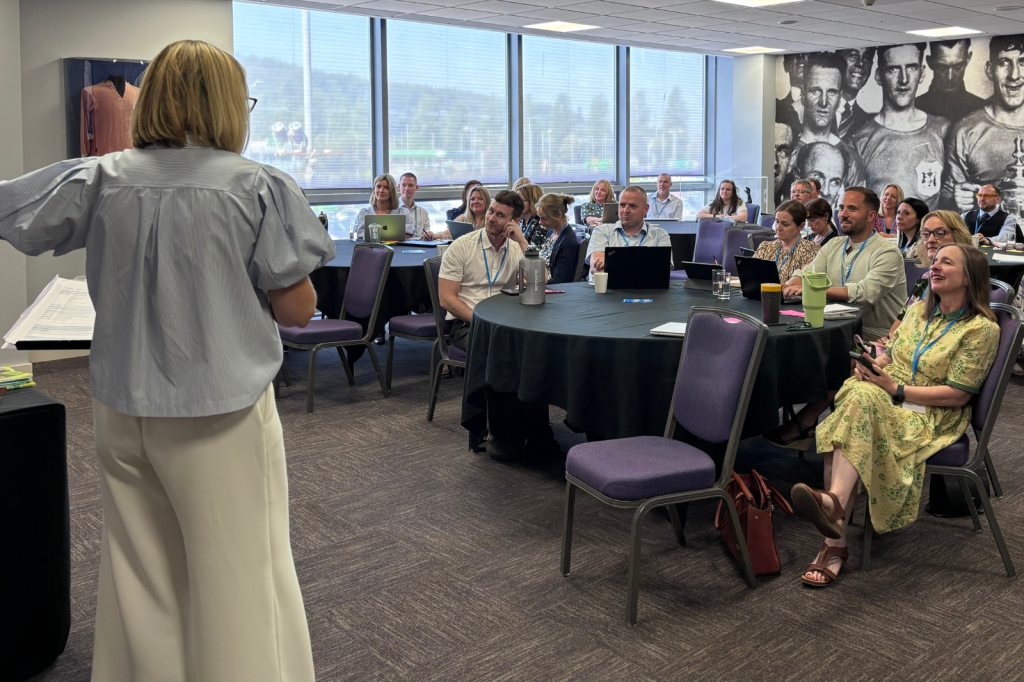
On February 17th, we will hold a conference in partnership with Dysgu bringing together education professionals from across Wales to explore effective approaches to improving reading standards and developing whole-school reading strategies.
FAQs
Research evidence shows that a lack of reading skills can be a main contributor to a life of hardship, and to an intergenerational cycle of poverty. We know that there is excellent practice in teaching reading across all sectors, but not all education providers focus on improving learners’ reading well enough.
We know that too many learners are not fluent, advanced readers by the time they leave school or further education and want to be part of the solution that breaks this cycle and recognises the need, through our work with all education providers, to prioritise improving the reading skills of all learners in Wales.
As part of our enhanced focus on reading, Estyn continues to recognise the important role of systematic phonics approaches, including systematic synthetic phonics, in developing learners’ reading skills. We recognise that effective reading provision draws on a range of methodologies and practices, and schools will adopt approaches appropriate to learners’ individual needs. As always, our inspection activity will focus on the impact of provision on learners’ progress and outcomes.
In our experience, the most effective schools in Wales take a balanced approach to teaching reading. These schools use a range of strategies so that nearly all learners read with fluency and understanding. These schools have a whole-school approach to developing learners’ reading skills and have an established reading culture. When children start school, the best teachers place an emphasis on developing pre-reading skills and then build on this by teaching phonics explicitly and progressively while also ensuring pupils have access to a wide range of books to enjoy and develop their understanding of stories and other texts. Teachers encourage learners to use a range of strategies to develop their knowledge and reading skills as part of this balanced approach. As learners move through the school, teachers support them to acquire advanced reading skills and progress their vocabulary knowledge.